

AACTA 2026: Beyond Tokenism and the Future of Inclusive Casting in Australia
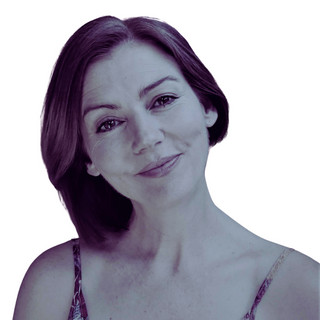
The Australian Academy of Cinema and Television Arts (AACTA) events always remind me why I love working in this industry. I only attended for one day this year, but it was one of those days that fills your cup creatively and professionally. There’s something special about finally putting faces to email addresses and Zoom squares — the Australian screen industry really is built on relationships.
One of the highlights of my day was our panel discussion, “Beyond Tokenism II — The Pathway Forward.” The conversation was honest, and the energy around creating real change in our industry was powerful. It’s clear that conversations about disability inclusion in film, television, and advertising are no longer sitting on the sidelines — they’re moving into action.
And that’s exactly where they belong.

Moving Beyond Tokenism in the Australian Screen Industry
For years, the industry has talked about representation. Now, we’re talking about pathways, employment, and sustainable inclusion — which is a very different conversation.
Inclusive casting isn’t about ticking a box. It’s about building pipelines, training performers, supporting creatives, and ensuring authentic representation both on screen and behind the camera. That’s where real industry change happens.
Panels like this matter because they bring together practitioners, producers, educators, and advocates who are all working toward the same goal: a more inclusive Australian screen sector.
A huge thank you to Rach Kayrooz for hosting and producing the panel. Rach is a recipient of the AACTA 2022 Reg Grundy Award for her observational documentary pitch Facing the Fear, and the founder of FIERCE Productions, which is helping fill the industry’s need for a trauma-informed production framework from concept through to post-production. Her current projects include the documentary FND: Not My Story, and her work continues to empower vulnerable voices and bring survival stories to the screen.
It was also wonderful to finally meet Lisa Cox OAM in person after years of online conversations. Lisa is a media professional, author, TEDx speaker, scriptwriter, and internationally recognised thought leader in disability inclusion across media and advertising. Her PhD research explores how the world’s most influential industries can reshape social attitudes toward disability and neurodivergence. Drawing on both lived experience and a career working with national and international clients, Lisa collaborates with industry, government, and decision-makers to remove systemic barriers and improve representation across the creative sector.
For those who don’t know me, I joined the panel wearing two hats — casting director and inclusion strategist. With more than three decades working across music, screen, and talent representation, I’ve seen firsthand how access and opportunity shape careers.
Through Brock Casting Services, my focus is on building authentic representation that moves beyond tokenism and creating real industry pathways for neurodivergent and disabled creatives.
Our Lights On program — a Queensland first — is designed to support emerging performers with disability as they step into professional screen careers, helping build a more inclusive and sustainable creative ecosystem.
And a special mention to Faith Kayrooz, who was a fantastic MC on the day.
Building Industry Pathways with Screen Queensland
Another highlight of the day was meeting with Screen Queensland, alongside Breanna Swan, to talk about the future of disability inclusive screen training and workforce development in Queensland.
Screen Queensland continues to be open, collaborative, and genuinely supportive of local practitioners. That kind of partnership matters — especially when you’re building initiatives designed to create long-term employment outcomes for underrepresented talent.
And a very warm welcome home to Julie Eckersley. Queensland’s screen sector is stronger with you here.
These conversations are especially important as we continue developing programs like Lights On, which focuses on disability-led on-camera training and pathways into the screen industry. The goal isn’t just participation — it’s careers, confidence, and industry readiness.
Because inclusion only works when it leads to opportunity.
Queensland’s Screen Industry Is Thriving
I moved to Queensland more than 20 years ago, and I’ve never looked back. The Queensland film and television industry is thriving right now — and it’s not just because of production incentives or studio infrastructure.
It’s the people.
Queensland is home to extraordinary talent, world-class crew, bold storytellers, and a collaborative creative community that genuinely supports one another. From independent productions to international studio projects, the Sunshine State has become one of the best places in the world to make film, television, and digital content.
The growth of the industry here isn’t slowing down — and as we move toward Brisbane 2032, the opportunity to build a more inclusive and representative screen sector has never been greater.
That’s the work many of us are focused on right now.
Not just creating content — but shaping the future workforce of the Australian screen industry.
The Power of Industry Connection
Events like AACTA remind me that progress in this industry happens through conversation, collaboration, and community.
The future of the Australian screen industry is being shaped right now by:
inclusive casting practices
disability-led training initiatives
industry partnerships
workforce development programs
authentic storytelling
collaboration between creatives, producers, and agencies
And that’s something worth being excited about.
I’m grateful to everyone who came along to the our panel, contributed to the conversation, and continues to do the work to move our industry forward.

See you next year, AACTA.


Comments